

The thrill of anticipation
One of the fundamental psychological elements that draw people to casinos is the thrill of anticipation. This heightened emotional state is created by the uncertainty of potential outcomes. When players place their bets, they enter a realm of possibilities, with each dice roll or card drawn filled with suspense. This uncertainty fuels the brain’s reward system, releasing dopamine, a neurotransmitter associated with pleasure and reward, making individuals seek out the gambling experience repeatedly. Many also explore the best sports betting sites canada for additional excitement, as the excitement of not knowing whether they will win or lose becomes an essential part of the thrill.
The feeling of anticipation is not only exciting; it also taps into our innate desire for risk and reward. Many individuals are inherently drawn to challenges, and the casino environment caters to that instinct. The adrenaline rush one experiences while waiting for the outcome can compel players to return, hoping to relive that moment of exhilaration. This psychological component is not merely about winning money; it’s about the experience of adrenaline and the thrill of the gamble, which can be far more intoxicating than the monetary stakes involved.
Furthermore, casinos are designed to maximize this feeling. The ambiance, which often includes dim lighting, vibrant colors, and the sounds of spinning wheels or clinking coins, serves to heighten emotional engagement. This sensory stimulation enhances the anticipation and excitement, making the experience even more magnetic. Players often become immersed in the moment, temporarily escaping from reality and surrendering to the allure of potential winnings, which is a powerful motivator for repeat visits.
The role of near-misses
Near-misses play a significant role in the psychological attraction of casino games. These scenarios, where a player almost wins, create a powerful illusion of control and skill. For example, when spinning a slot machine, if a player reels in two matching symbols followed by a non-matching one, it can evoke a sense of victory in their mind. This feeling can encourage further play, as individuals often misinterpret these near-misses as signs that a win is imminent. This misperception keeps players engaged, believing that they are just one step away from a big win.
Psychologically, near-misses stimulate the brain’s reward pathways similarly to actual wins, reinforcing the behavior of playing. This effect is particularly evident in slot machines, where players are conditioned to expect that they are ‘due’ for a win after experiencing a near-miss. Such experiences can lead to a cycle of play, where the hope of winning overrides rational decision-making, compelling individuals to risk more than they initially intended. This cycle can become a powerful motivator that keeps players returning to the gaming floor.
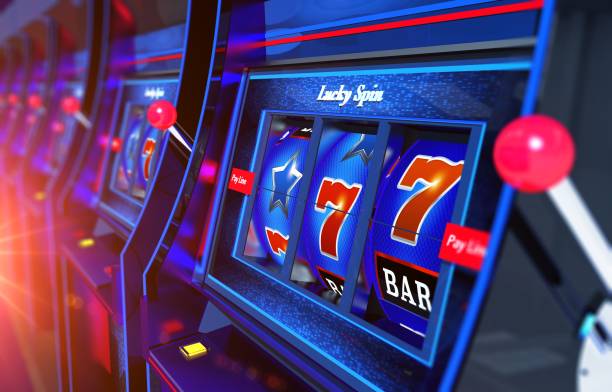
Moreover, casinos often employ near-miss scenarios intentionally to maintain engagement. This technique is prevalent across various games and is a critical part of the design strategy in gambling. Casino operators understand that by creating these moments of apparent success, they can encourage longer play sessions, fostering a deeper psychological connection between the player and the game. This connection can have significant financial implications for both players and the establishments that host these games, as they see increased revenue from heightened player engagement.
The social aspect of gambling
The social dynamics of casinos also contribute significantly to their allure. Gambling is often presented as a communal activity, where individuals gather to share experiences, celebrate wins, and console each other over losses. This social interaction provides a sense of belonging and can enhance the emotional experience of gambling. Many people find the camaraderie built around gaming to be as enjoyable as the games themselves, as it fosters connections and shared memories that extend beyond the gaming tables.
Casinos are often bustling with energy, and this lively atmosphere can be contagious. The sounds of laughter, cheers, and conversations foster a sense of community and excitement that attracts individuals. In group settings, the thrill of competition can enhance the experience, leading players to engage more deeply with their surroundings and with each other. Moreover, the presence of others can amplify the emotional highs and lows of gambling, making wins feel more significant and losses more tolerable. This shared experience creates a bond among players that often transcends the gambling itself.
Additionally, casinos frequently host events, tournaments, and themed nights, further promoting social interaction. These gatherings create opportunities for players to meet new people who share similar interests. The social fabric woven into the gambling experience plays a crucial role in encouraging individuals to return to casinos, as they come to not only seek wins but also to connect with others in the vibrant gaming community. This social aspect can be a powerful draw, creating an environment where friendships are formed and shared experiences are cherished.
Environmental influences in casino design
The architectural and interior design of casinos is meticulously crafted to enhance the gambling experience. Elements such as the layout, lighting, sound, and even scent are strategically combined to create an inviting atmosphere that keeps players engaged. For instance, many casinos lack windows and clocks, fostering a disorienting effect that encourages players to lose track of time while they gamble. This design choice promotes a sense of immersion that discourages players from leaving and keeps them focused on the games ahead.
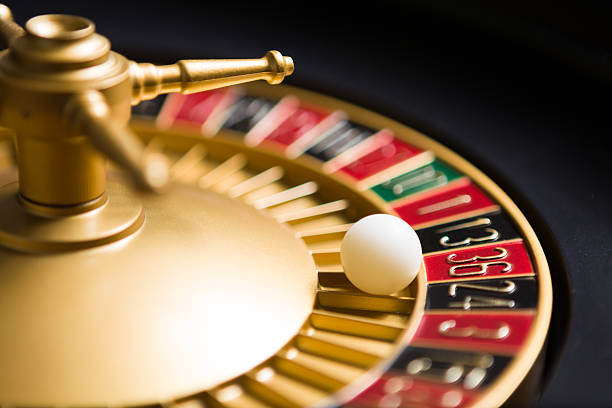
Moreover, the arrangement of gaming tables and machines is designed to encourage movement and exploration. Walking through a casino can be a labyrinthine experience, enticing players to discover new games and interact with various elements of the environment. This layout, combined with stimulating sounds from slot machines and the cheers from nearby table games, creates an auditory environment that further draws players into the gameplay. The sensory overload can be captivating, making it difficult for individuals to disengage and prompting them to play longer than they initially planned.
Furthermore, color psychology plays a role in casino design. Warm colors, such as reds and golds, are often featured to evoke feelings of excitement and luxury, while softer colors may promote a sense of calm. These intentional choices can influence players’ emotions and decisions, making them more likely to stay and play for longer. The carefully crafted environment of a casino transforms gambling into an alluring experience that entices individuals to return frequently, as they become enamored with the vibrant settings that cater to their senses.
Exploring responsible gaming and digital solutions
As the allure of casinos continues to captivate many, there is a growing emphasis on responsible gaming practices. Casinos and online gaming platforms have recognized the importance of encouraging players to engage in safe gambling behaviors. Initiatives such as self-exclusion programs, deposit limits, and educational resources aim to promote awareness about the risks associated with gambling. By providing players with tools to manage their behavior, these establishments can help maintain a positive and sustainable gambling environment that prioritizes player well-being.
Moreover, digital solutions are transforming how casinos approach responsible gaming. The rise of online gambling has led to the development of sophisticated algorithms and tracking systems that analyze player behavior. These tools can identify patterns indicative of problematic gambling, allowing operators to intervene proactively. By integrating technology into their operations, casinos can better support their patrons while fostering a culture of responsible gaming and ensuring that players are aware of their limits.
Additionally, the internet offers players a wealth of information and resources to help them understand the psychological effects of gambling. By educating individuals on the potential for addiction and how to recognize warning signs, casinos can empower their patrons to make informed choices. This commitment to responsible gaming not only protects individuals but also upholds the industry’s reputation, ensuring that the allure of gambling remains an enjoyable experience for everyone involved, fostering a healthy relationship with gaming.